
Academic applications
Effective use of SEM or FEG-SEM microscopes requires, among other things, in-depth expertise in sample preparation.
To meet this need, the next generation of leading scientists worldwide learns to work with LUXOR coaters at universities.
The LUXORAu, LUXORPt, and LUXORC coaters are designed to handle a broad range of sample materials, shapes, and sizes, making them ideal for academic applications. Explore our accessories page to discover our selection of sample holders and target materials.
In university environments, SEM technology and related sample preparation techniques—such as sputter coating—are used daily by a diverse group of operators, from students to senior researchers. The wide variety of specimens and materials demands reliable preparation methods.
With fully automated operation and an optimized user interface, the LUXOR coater minimizes the risk of human error.
For further insights, the following downloads offers application notes and technical guides relevant to both industrial and academic settings.

3D coating of cement and ceramics
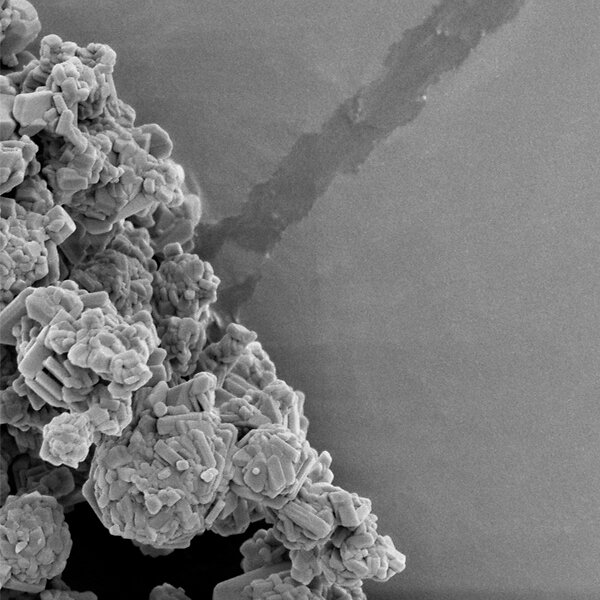
At LUXOR SEM Coating, laboratory tests are routinely performed by the team to assess the feasibility of coating a wide range of samples. This application note describes the development of a gold coating method for cement and ceramic samples.
The company aims to achieve optimal coating results for every client, regardless of how unique or challenging the material may be.
About coating thickness and visual appearance
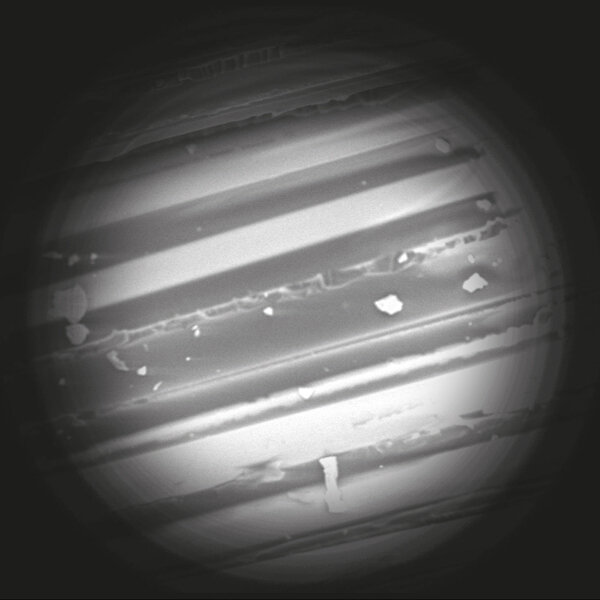
Thin gold or platinum coatings applied via sputter coating often lack the expected metallic appearance when their thickness is below 15–20 nm. Operators may mistakenly assume no or insufficient coating was applied, even though the requested layer is present.
To clarify this, LUXOR tested gold and platinum coatings of varying thicknesses on a carbon tape stub, yielding the following results...
Part 1 – Charging effects in electron microscopy, and how to avoid them
This paper is part of a series of 4 technical notes on sputter coating technology. Together they form the text “INTRODUCTION TO METAL COATING TECHNOLOGY FOR ELECTRON MICROSCOPY”.
It is intended to provide the reader with insights into the sputter coating sample preparation technique that is used extensively in electron microscopy (EM) labs worldwide.
Part 2 – Basic principles of sputter coating
This paper is part of a series of 4 technical notes on sputter coating technology. Together they form the text “INTRODUCTION TO METAL COATING TECHNOLOGY FOR ELECTRON MICROSCOPY”.
It is intended to provide the reader with insights into the sputter coating sample preparation technique that is used extensively in electron microscopy (EM) labs worldwide.
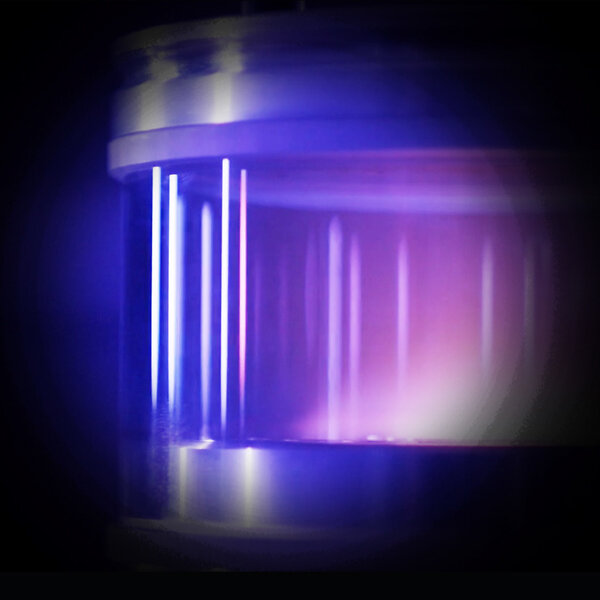
Part 3 – How various parameters influence the sputter coating process
This paper is part of a series of 4 technical notes on sputter coating technology. Together they form the text “INTRODUCTION TO METAL COATING TECHNOLOGY FOR ELECTRON MICROSCOPY”.
It is intended to provide the reader with insights into the sputter coating sample preparation technique that is used extensively in electron microscopy (EM) labs worldwide.
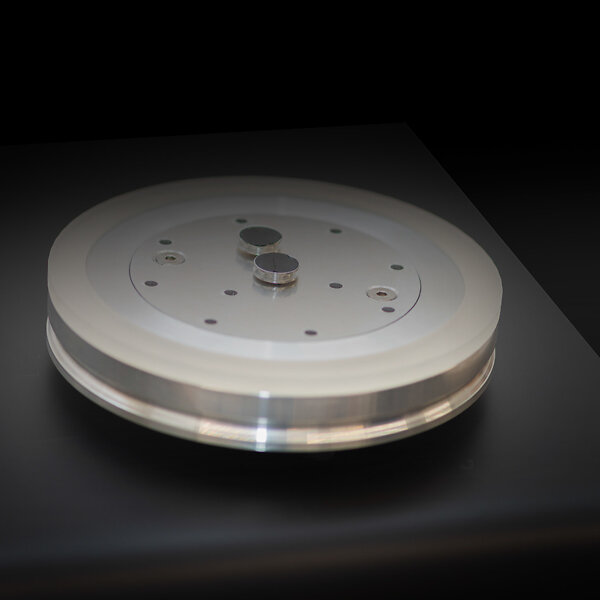
Part 4 – LUXOR A2 technology: SEM coating made smart and easy
This paper is part of a series of 4 technical notes on sputter coating technology. Together they form the text “INTRODUCTION TO METAL COATING TECHNOLOGY FOR ELECTRON MICROSCOPY”.
It is intended to provide the reader with insights into the sputter coating sample preparation technique that is used extensively in electron microscopy (EM) labs worldwide.
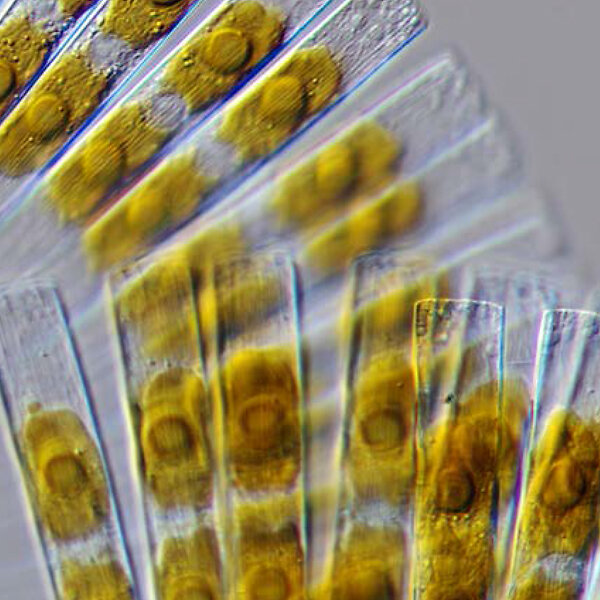
Metal Coating of Diatoms
Diatoms are microalgae found in oceans, waterways, and soils. They produce 20–50% of Earth’s oxygen annually and make up nearly half of the ocean’s organic material. Diatomaceous earth is used for water filtration and as a mild abrasive. In forensics, their location-specific composition helps trace material origins.
A defining feature is their silica-based cell wall, which requires sputter coating for microscopic imaging to prevent sample charging.